







CareCredit allows you to split payments for your pet’s vet care into manageable monthly installments, which can be especially helpful for unexpected procedures, surgeries, or dental work.
Pet insurance is one of the smartest ways to plan for your pet’s long-term vet care. The right policy can cover a meaningful portion of unexpected vet bills, including emergencies, surgeries, illnesses, and chronic conditions, so you can focus on your pet instead of the cost. Coverage and reimbursement levels vary by provider, so we recommend comparing a few options to find the policy that fits your pet and your budget.
Here are answers to questions pet owners often ask us about paying for veterinary care at Eagle Animal Hospital.
Most pet insurance plans work on a reimbursement basis. You pay for vet care at your visit, and your insurance company reimburses you afterward. We're happy to provide detailed invoices and medical records to help with your claim.
For most pet owners, yes. A single emergency visit can cost more than years of premiums. Pet insurance is most valuable when started early, before any pre-existing conditions develop. Coverage and value depend on the provider and plan.
CareCredit is a healthcare credit card you can use for your pet's vet care. It offers low monthly payments, no annual fee, and interest-free financing for 6 months on qualifying balances. You apply once and use it for any future visits.
Payment is expected at the time of service. For larger bills, CareCredit and pet insurance are the two main ways to spread the cost over time. Our team can help walk you through these options before any major procedure.
Eagle Animal Hospital provides quality vet care in Chester Springs, PA, with flexible payment options including credit cards, CareCredit financing, and pet insurance. We serve families throughout Chester County. Call (610) 458-8789 or request an appointment online.
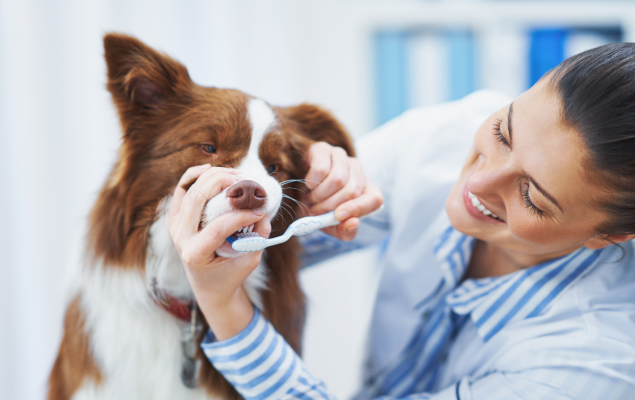
At home, practice opening your pet’s mouth and lifting their lips on a daily basis. Once your puppy is comfortable, begin gently rubbing your fingers on their gums and teeth every day. You can use toothpaste made specifically for pets (Petsmile), along with dental treats and dental diets, to support oral health from an early age.
Appropriate chew toys can also help maintain dental health. These can be found on the VOHC website (Veterinary Oral Health Council). Toys should be made from material that you can indent with your thumbnail—if the toy is too hard, it may risk fracturing your puppy’s teeth.
Appropriate chew toys can also help maintain your pet’s oral health. These can be found on the VOHC website (Veterinary Oral Health Council). Toys should be made from material that you can indent with your thumbnail. If the toy is too hard, your pet could be at risk for fracturing teeth.
Credelio is an oral flea and tick prevention administered to your dog monthly. Used for dogs and puppies 8 weeks and older.
Bravecto is an oral flea and tick prevention administered to your dog every 3 months. Used for dogs and puppies 6 months and older.
Interceptor Plus is an oral heartworm prevention administered to your dog monthly. This also treats and controls intestinal parasites, including roundworms, hookworms, whipworms, and tapeworms. Used for dogs and puppies 6 weeks and older.
Simparica Trio is an oral flea/tick and heartworm prevention administered to your dog monthly. Used for dogs and puppies 8 weeks and older.
It is important to keep your puppy on flea, tick, and heartworm prevention year-round, and our team at Eagle Animal Hospital can help you choose the right plan during your new puppy vet visit.
Begin grooming early so your puppy becomes accustomed to being handled by you and other people, including veterinarians and groomers. Using a soft bristle brush, gently stroke their back a few times. Try brushing while the puppy is drowsy in your lap.
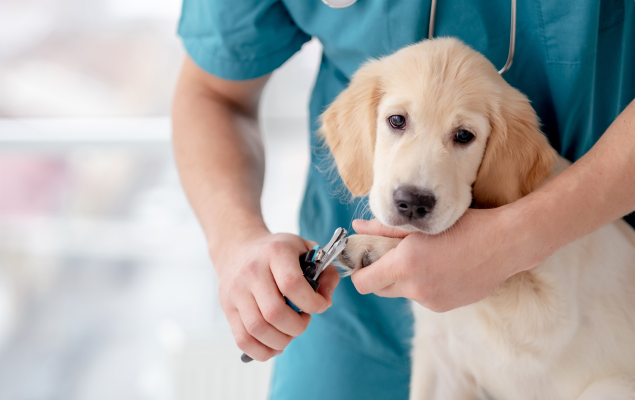
To desensitize your puppy for nail trimming, start by picking up one of your dog’s paws and gently holding it for a few seconds, touching their toes and nails. Gradually, try trimming a nail or two while giving treats.
Here are answers to questions pet owners often ask about wellness visits, what to expect, and how often your pet should see the vet.
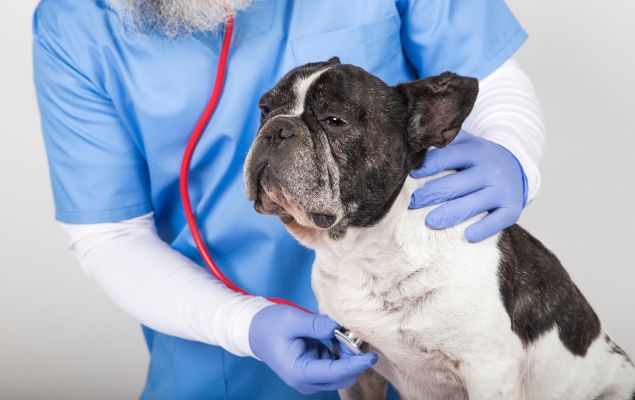
A new puppy vet visit at Eagle Animal Hospital includes a complete physical exam, weight check, parasite screening, deworming if needed, and the start of your puppy's vaccination series. Our veterinarians will also review feeding, training, socialization, and what to expect during each stage of your puppy's first year.
Your first vet visit puppy appointment should happen within the first week of bringing your puppy home, ideally around 6 to 8 weeks of age. This visit allows our team to perform a full health check, start the vaccination series, discuss nutrition, and answer any questions you have about caring for your new puppy.
A standard puppy vaccination schedule begins at 8 weeks with DAPPV and the bordetella puppy vaccine, followed by boosters at 12, 16, and 20 weeks that include Leptospirosis, Rabies, Lyme, and Canine Influenza. We tailor the schedule based on your puppy's lifestyle, exposure to other dogs, and Pennsylvania state requirements.
If you are searching for a dog rabies vaccine near me, Eagle Animal Hospital provides rabies vaccinations as part of every puppy's protocol, with the first dose given at 12 weeks of age per Pennsylvania state law. Call (610) 458-8789 or request an appointment online to schedule your puppy's visit.
We recommend spaying females at 6 months of age, ideally before their first heat cycle, which typically happens around 7 to 8 months. Males should be neutered between 6 and 12 months. Pre-anesthetic blood work is performed 1 to 8 weeks before surgery to ensure your puppy is healthy and ready.
Eagle Animal Hospital is dedicated to providing compassionate, high-quality pet healthcare.
Paws & Care Veterinary Clinic is dedicated to providing compassionate, high-quality pet healthcare.
(610) 458-5170
Copyright © 2026 All Rights Reserved.